
The petrochemical and oil and gas sectors depend on accurate elemental analysis to maintain product quality, optimize operations, and meet regulatory requirements. Even trace levels of metal contaminants can affect refining processes, catalyst performance, and equipment reliability.
This is why ICP-MS in the petrochemical industry and ICP-MS in the oil and gas industry have become essential analytical technologies for modern laboratories. Known for its exceptional sensitivity and multi-element detection capabilities, ICP-MS enables precise trace metal analysis in complex samples.
In this blog, we will explore its role in catalyst analysis, contamination monitoring, and refinery quality control applications.
What is ICP-MS in Oil and Gas Analysis?
So, what is ICP-MS in oil and gas analysis exactly?
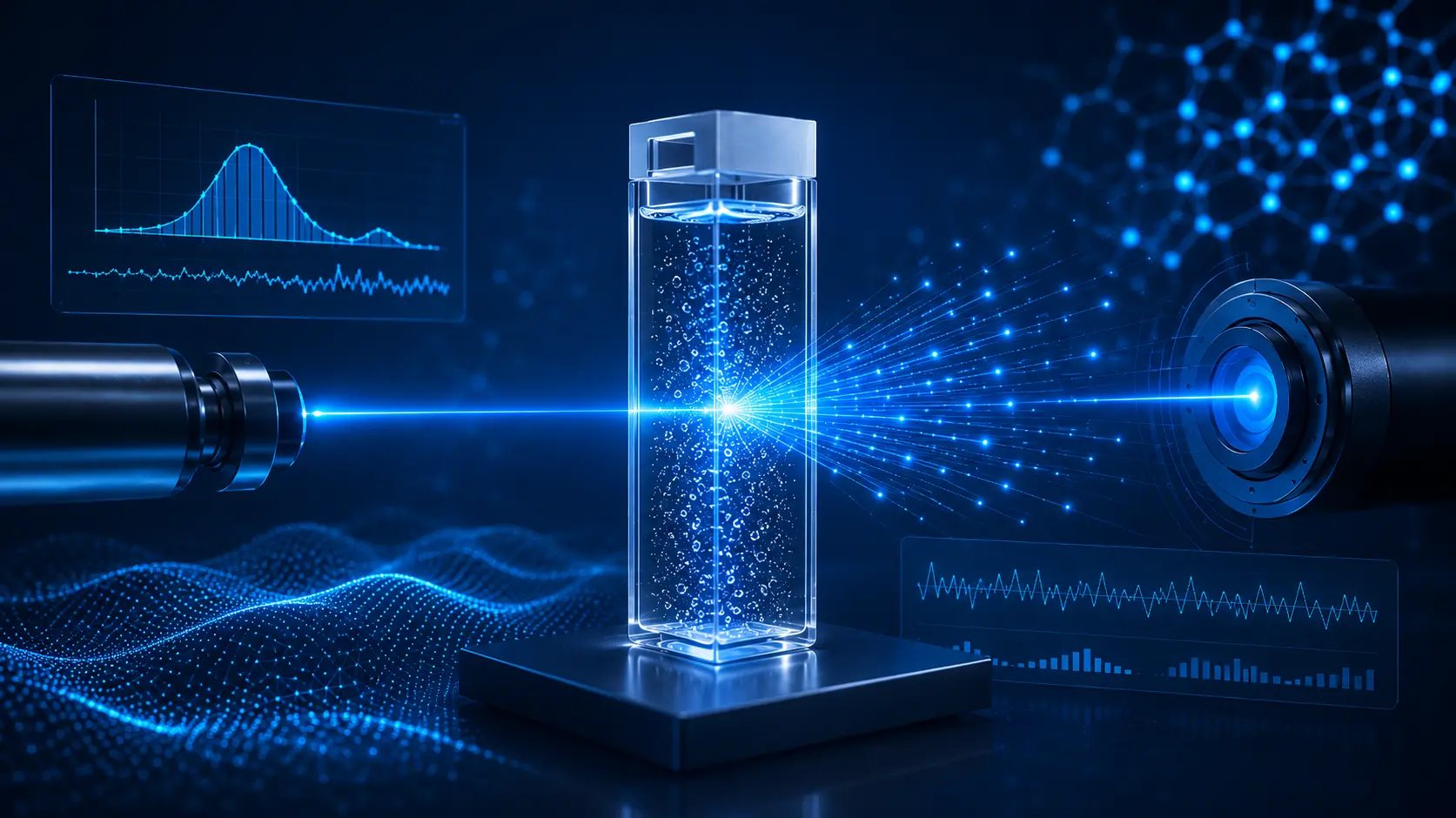
ICP-MS, or Inductively Coupled Plasma Mass Spectrometry, is an advanced analytical technique used to detect and measure trace elements in complex samples. The process involves exposing a sample to a high-temperature argon plasma, where the elements are converted into charged ions. These ions are then identified and quantified by a mass spectrometer based on their mass-to-charge ratio.
ICP-MS is widely used in the oil and gas industry because it can detect metal contaminants at extremely low concentrations, ranging from parts per billion (ppb) to parts per trillion (ppt).
This high level of sensitivity makes it an ideal solution for refinery quality control, catalyst monitoring, and contamination analysis, which helps laboratories to maintain product quality, process efficiency, and regulatory compliance — making ICP-MS one of the most trusted analytical instruments in the UAE for oil and gas testing.
Why the Oil and Gas Industry Needs ICP-MS
If you are wondering about ICP-MS in oil and gas analysis, it is an advanced technique used to detect trace metals and contaminants in crude oil, petroleum products, and process streams. These elements can affect refinery performance, product quality, and equipment reliability, making accurate analysis essential.
Protecting Catalysts
Catalyst analysis using ICP-MS helps laboratories monitor metals such as nickel and vanadium that can reduce catalyst efficiency. Understanding how ICP-MS is used in catalyst analysis allows refineries to identify potential issues early and improve catalyst performance.
Contamination Monitoring
Contamination analysis using ICP-MS in Dubai is widely used to detect trace contaminants such as mercury, arsenic, lead, iron, and sodium in processing streams. Regular monitoring helps prevent equipment damage and supports smooth refinery operations.
Product Quality and Hydrocarbon Analysis
ICP-MS provides accurate trace metal analysis in fuels, lubricants, and other petroleum products, helping laboratories meet quality standards and regulatory requirements. It also supports hydrocarbon analysis by identifying contaminants that can impact refining processes and final product quality.
These capabilities make ICP-MS a valuable tool for refinery quality control, catalyst monitoring, and contamination analysis across the oil and gas industry.
How ICP-MS is Used in Catalyst Analysis
Catalyst analysis using ICP-MS is an important process in refinery and petrochemical laboratories. It helps identify trace metals that can affect catalyst performance, process efficiency, and product quality. The following will help you to understand how ICP-MS is used in catalyst analysis:
- Sample Preparation: Fresh, spent, or regenerated catalyst samples are first treated with strong acids to dissolve the catalyst material and release the metals into a liquid solution for analysis.
- Sample Dilution: The prepared solution is diluted to the required concentration. Internal standards are also added to improve accuracy and ensure reliable analytical results.
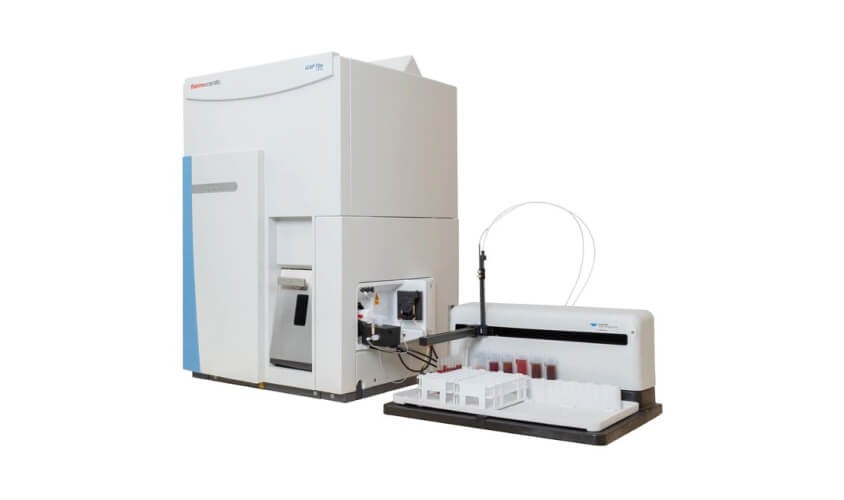
- ICP-MS Measurement: The sample is introduced into the ICP-MS system, where elements are ionized and measured. In a single run, the instrument can detect and quantify metals such as vanadium, nickel, iron, copper, zinc, sodium, and calcium.
- Results Evaluation: The measured metal concentrations are compared with reference values or operational limits. This information helps laboratories assess catalyst condition, optimize regeneration schedules, and improve process performance.
In addition to catalyst monitoring, the same analytical approach is often used for contamination analysis using ICP-MS in Dubai, which helps refineries and petrochemical facilities detect unwanted metal contaminants and maintain efficient operations.

Oil and Gas Contaminant Analysis with ICP-MS Technology
Understanding the common contaminants in oil and gas processing helps explain why ICP-MS is widely used in refinery and petrochemical laboratories. If you are wondering about the question, “What is ICP-MS in oil and gas analysis?” It is a highly sensitive technique that detects trace metals that can impact equipment performance, catalyst life, and product quality.
- Vanadium (V) and Nickel (Ni): Common catalyst poisons that can reduce catalyst efficiency and affect refinery performance.
- Mercury (Hg): A hazardous contaminant that can damage processing equipment and create safety concerns.
- Arsenic (As): Even at very low concentrations, arsenic can deactivate refinery catalysts and affect process efficiency.
- Iron (Fe) and Copper (Cu): Often indicate corrosion in pipelines and processing equipment.
- Sodium (Na) and Calcium (Ca): Usually enter through water contamination and can cause fouling and catalyst deactivation.
- Silicon (Si): A common contaminant that can negatively impact hydroprocessing catalysts.
- Lead (Pb): Can affect catalyst performance and create environmental compliance challenges.
For effective contamination analysis using ICP-MS in Dubai, laboratories can monitor all these elements in a single analytical run, saving time while improving accuracy. This capability makes ICP-MS one of the most reliable oil and gas testing instruments in the UAE for refinery quality control and contamination monitoring.
Benefits of ICP-MS in Petrochemical Testing
The benefits of ICP-MS in petrochemical testing go beyond accurate elemental analysis. Its advanced capabilities help refinery and petrochemical laboratories improve quality control, operational efficiency, and regulatory compliance.
- Ultra-Trace Detection: ICP-MS can detect metal contaminants at extremely low concentrations, helping laboratories identify potential issues before they impact refinery processes or catalyst performance.
- Multi-Element Analysis: The system can measure dozens of elements in a single run, reducing analysis time and increasing laboratory productivity.
- Reliable Analysis of Complex Samples: ICP-MS is well suited for analyzing crude oil, petroleum products, catalysts, and other challenging hydrocarbon samples when combined with proper sample preparation techniques.
- Quality Control and Compliance: ICP-MS supports refinery quality control by ensuring fuels, lubricants, and other petroleum products meet industry specifications and international standards.
- Cost and Operational Benefits: Early detection of contaminants helps extend catalyst life, reduce maintenance costs, and improve overall process efficiency.
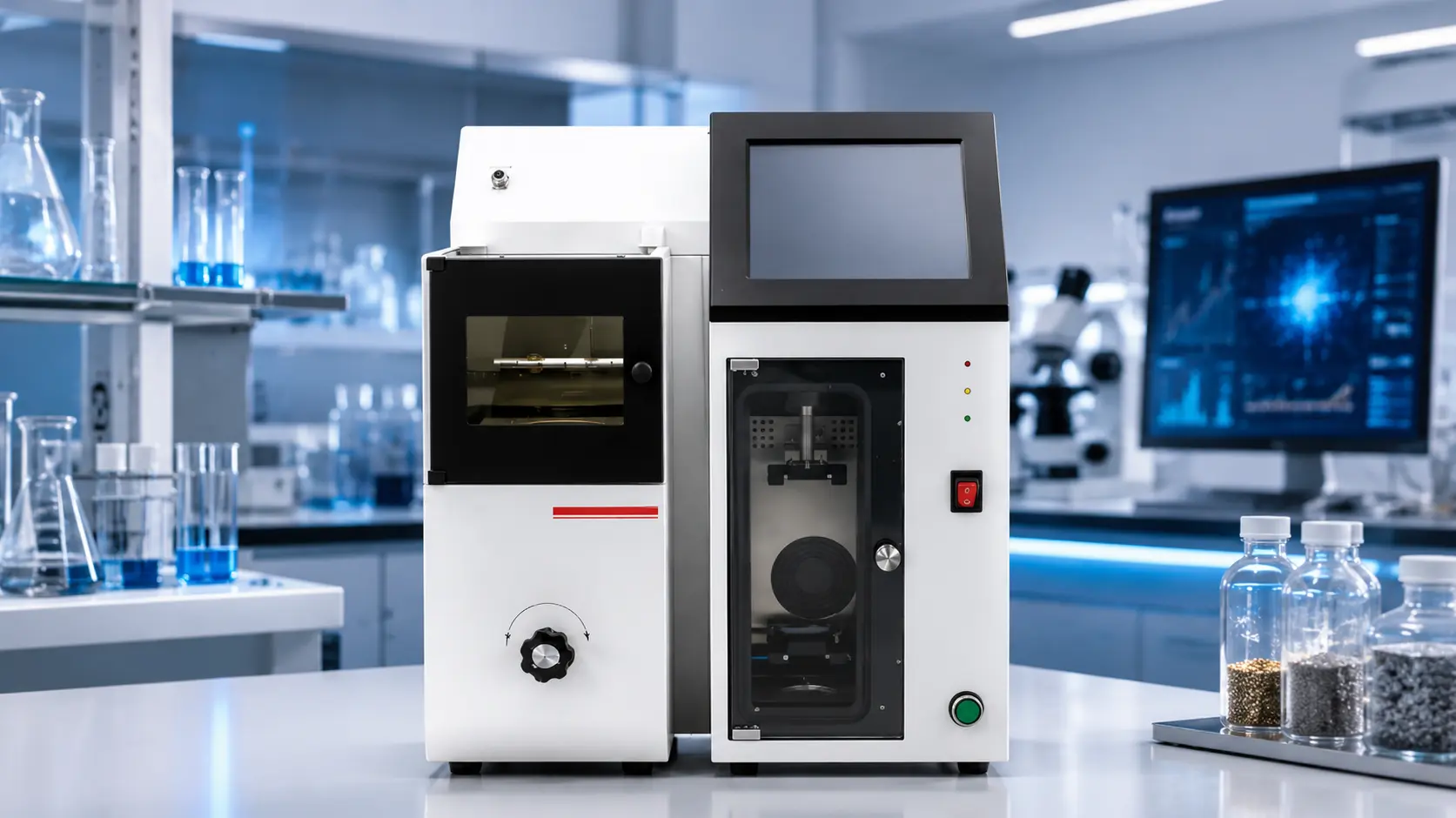
As one of the most advanced refinery laboratory solutions in the UAE, ICP-MS provides the accuracy, reliability, and performance needed for modern petrochemical and oil and gas laboratories. Apex Instrument is a trusted supplier of ICP-MS systems for refinery and petrochemical laboratories across the UAE and GCC region.
Key Applications of ICP-MS in Oil and Gas Analysis
ICP-MS is widely used across refineries and petrochemical facilities for accurate trace metal analysis, quality control, and contamination monitoring. As one of the most advanced oil and gas testing instruments in the UAE, it supports a wide range of critical laboratory applications.
- Crude Oil Characterization: Before refining begins, crude oil is tested for metals such as vanadium, nickel, iron, and sodium. This helps refineries optimize processing conditions and manage catalyst performance effectively.
- FCC Catalyst Monitoring: Catalyst samples are regularly analyzed to monitor metal accumulation and assess catalyst health. This supports efficient refinery operations and improves catalyst life.
- Hydroprocessing Analysis: ICP-MS helps detect catalyst poisons such as arsenic and silicon in feedstocks while ensuring processed products meet required quality specifications.
- Natural Gas and LNG Testing: Mercury monitoring is essential in natural gas processing. ICP-MS provides accurate elemental analysis to help protect equipment and maintain product quality.
- Lubricant and Base Oil Testing: Refineries use ICP-MS to verify that metal contaminants have been removed from base oils and lubricants before they reach the market.
- Used Oil and Wear Metal Analysis: ICP-MS can detect wear metals such as iron, copper, lead, and chromium in used oils, helping industries assess equipment condition and plan maintenance activities.
These applications highlight the importance of hydrocarbon analysis in Dubai and demonstrate why ICP-MS is considered one of the most reliable refinery laboratory solutions in the UAE for modern oil and gas testing.
Conclusion
ICP-MS has become a trusted analytical solution for petrochemical and oil and gas laboratories due to its ability to accurately detect trace metals and contaminants at very low concentrations. It supports catalyst monitoring, product quality control, contamination analysis, and regulatory compliance, helping laboratories improve operational efficiency and reliability.
For refineries and industrial facilities across the UAE and GCC, using ICP-MS laboratory instruments ensures accurate results, compliance with industry standards, and improved overall laboratory performance.
FAQs
Contact:
Contact us to improve refinery testing with advanced ICP-MS solutions and get a quote today.
Mobile/WhatsApp: +971526191767
Email: sales@apex-instrument.com