Fuel quality plays an important role in ensuring engine performance, operational safety, environmental compliance, and customer satisfaction. Whether it is gasoline, diesel, aviation fuel, kerosene, or other petroleum products, maintaining consistent fuel quality requires precise testing and analysis.
Among the many laboratory tests used in the petroleum industry, distillation testing remains one of the most important. It provides valuable insights into the composition and evaporation characteristics of fuels, helping manufacturers, refineries, and quality control laboratories verify product consistency and compliance with industry standards.
In traditional distillation testing, operators had to manually track temperature changes, heating performance, and recovery volumes during each test. While effective, these methods often consumed valuable time and introduced opportunities for human error.
Today, advancements in laboratory automation are changing the way fuel testing is performed. Automated distillation systems are enabling laboratories to achieve greater accuracy, improved efficiency, enhanced safety, and more reliable data while maintaining strict compliance with international standards such as ASTM D86.
In this blog, we explore how automated distillation technology is revolutionizing fuel testing and why it has become an essential investment for modern laboratories.
What Is Distillation Testing?
Distillation testing is a laboratory procedure used to determine the boiling characteristics of petroleum products and fuels. Since fuels consist of numerous hydrocarbon compounds, each component vaporizes at a different temperature.
During a distillation test, a fuel sample is gradually heated under controlled conditions. As the temperature increases, various components evaporate and condense, allowing technicians to measure important characteristics such as:
- Initial boiling point
- Final boiling point
- Distillation curve
- Recovery percentage
- Residue content
- Volatility profile
These measurements help evaluate fuel performance, storage behavior, combustion efficiency, and compliance with product specifications.
Distillation testing is commonly performed on:
- Gasoline
- Diesel fuel
- Aviation turbine fuel
- Kerosene
- Naphtha
- Solvents
- Biofuels
- Petroleum derivatives
Why Fuel Distillation Testing Matters
Fuel quality directly affects engine operation and emissions performance. Even minor variations in fuel composition can influence combustion efficiency, fuel economy, and equipment reliability.
Distillation testing helps manufacturers and laboratories:
- Verify fuel consistency
- Maintain product quality
- Meet regulatory requirements
- Support quality control programs
- Evaluate production processes
- Identify contamination issues
- Ensure customer satisfaction
Without accurate distillation analysis, it becomes difficult to guarantee that fuels will perform as intended in real-world applications.
Understanding ASTM D86 Compliance
When discussing fuel distillation testing, ASTM D86 is often considered the industry benchmark.
ASTM D86 is a globally recognized test method used to determine the distillation characteristics of petroleum products at atmospheric pressure. The standard provides detailed procedures for evaluating the boiling range of fuels and other volatile petroleum products.
Compliance with ASTM D86 is important because it ensures:
- Consistent testing procedures
- Reliable and repeatable results
- Global standardization
- Regulatory compliance
- Accurate product comparisons
For laboratories handling high testing volumes, maintaining ASTM D86 compliance manually can be challenging. Automated systems help simplify this process by reducing operator dependency and improving test consistency.
Limitations of Traditional Distillation Methods
Although conventional distillation equipment has been used for decades, it presents several challenges in today’s fast-paced laboratory environment.
1. Time-Consuming Procedures: Manual systems require continuous supervision from laboratory personnel throughout the testing process.
2. Increased Risk of Human Error: Operator observations, manual adjustments, and data recording can introduce inconsistencies.
3. Limited Productivity: Technicians often spend significant time monitoring a single test, reducing overall laboratory efficiency.
4. Manual Data Handling: Manually documenting test results can lead to transcription mistakes, inconsistent records, and reduced data accuracy.
5. Safety Concerns: Working with heated petroleum samples and operating high-temperature equipment throughout the testing process can increase the risk of operator exposure to workplace hazards.
These limitations have encouraged laboratories to adopt automated solutions that improve both efficiency and reliability.
The Rise of Automated Distillation Systems
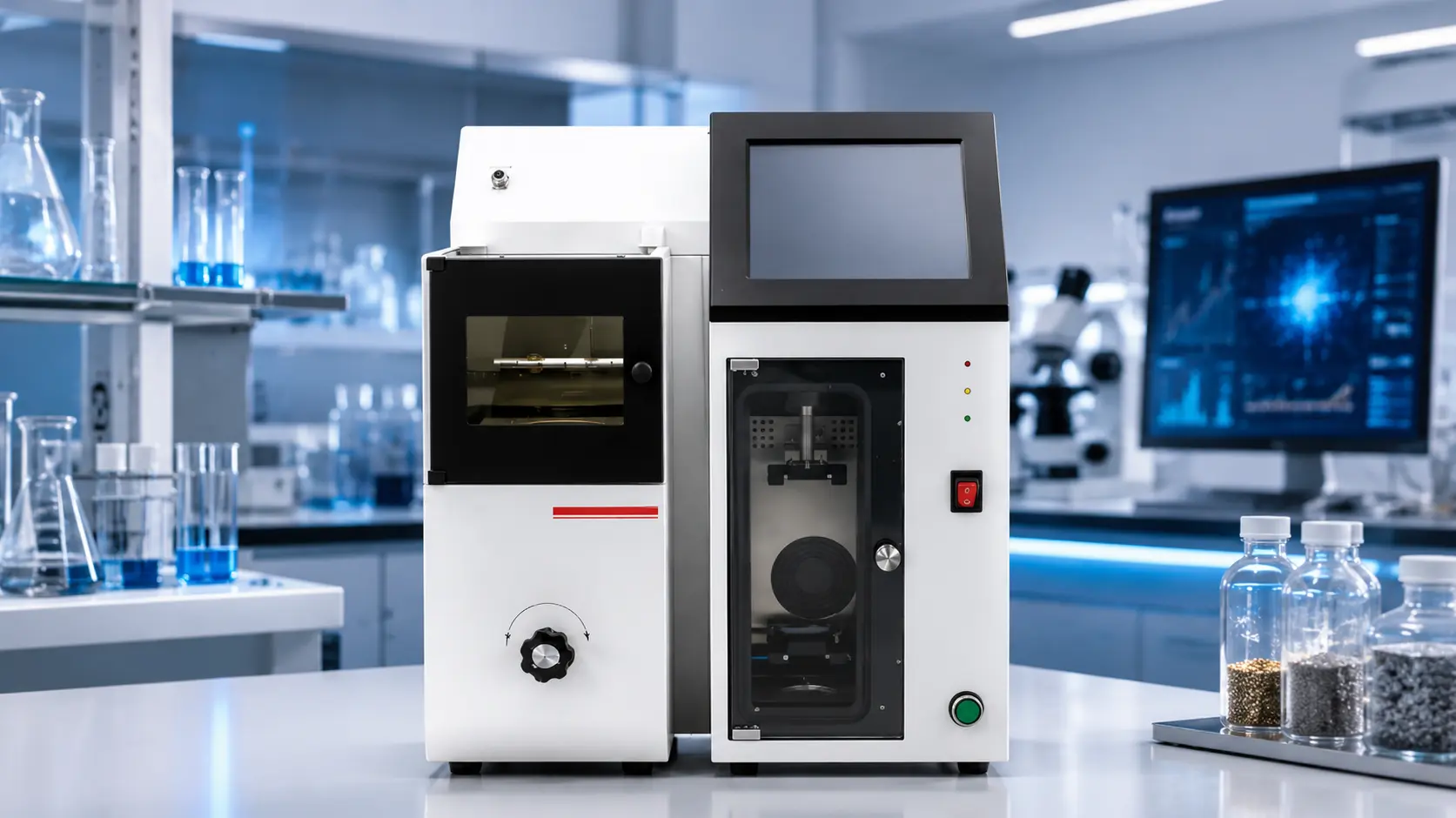
Modern automated distillation analyzers combine precision engineering, intelligent software, advanced sensors, and automated controls to simplify fuel testing.
Unlike conventional systems, automated instruments can perform many critical functions independently, including:
- Heating control
- Temperature monitoring
- Distillation rate regulation
- Endpoint detection
- Data collection
- Report generation
This level of automation significantly improves laboratory performance while reducing the workload on technicians.
Next Generation ASTM D86 Compliance
One of the most significant benefits of automated distillation systems is their ability to consistently maintain ASTM D86 compliance.
Advanced instruments continuously monitor testing parameters and automatically adjust operating conditions throughout the analysis.
Precise Temperature Measurement
High-accuracy sensors ensure reliable temperature readings throughout the distillation process.
Automated Heating Control
The system automatically regulates heating rates according to ASTM D86 requirements.
Consistent Test Conditions
Automation eliminates variability caused by manual intervention.
Automatic Endpoint Detection
The analyzer can accurately identify:
- Initial Boiling Point (IBP)
- Final Boiling Point (FBP)
- Dry Point
- Recovery percentage
- Residue
- Loss
Improved Repeatability
By standardizing every stage of the test, laboratories achieve more consistent and reproducible results.
This level of control helps laboratories maintain confidence in their analytical data while minimizing retesting requirements.
Integrated Peltier Cooling Technology
Cooling plays a critical role in ensuring accurate distillation measurements. Traditional systems often rely on external water cooling systems that require additional maintenance and infrastructure.
Modern automated analyzers increasingly utilize integrated Peltier cooling technology.
What Is Peltier Cooling?
Peltier cooling uses thermoelectric modules to transfer heat efficiently without requiring external cooling water.
This technology offers several advantages.
Water-Free Operation
No external water supply or cooling circuits are required.
Compact Design
The absence of large chillers helps save valuable laboratory space.
Enhanced Temperature Stability
Rapid and precise cooling improves testing consistency.
Reduced Maintenance
Fewer moving parts mean lower maintenance requirements.
Energy Efficiency
Compared to traditional cooling methods, thermoelectric cooling systems are more energy-efficient.
Environmentally Responsible Operation
Reduced water consumption supports sustainable laboratory practices.
The integration of Peltier cooling technology has become a major advancement in modern fuel testing equipment.
Real Time Monitoring and Control
Automation has transformed laboratory testing by providing greater visibility into every stage of the analysis.
Modern distillation systems offer real-time monitoring capabilities that allow operators to track:
- Vapor temperature
- Sample temperature
- Condenser temperature
- Distillation rate
- Recovery volume
- Heating profile
- System diagnostics
- Test progress
Interactive software interfaces provide live graphical displays that make it easier to observe and analyze test conditions.
Real time monitoring helps laboratories:
- Detect anomalies quickly
- Improve testing accuracy
- Reduce downtime
- Enhance operator confidence
- Optimize laboratory productivity
This level of visibility enables better decision-making and more efficient laboratory operations.
Smart Data Management for Modern Laboratories
Data integrity has become increasingly important in modern laboratory environments.
Automated distillation systems simplify data management through integrated software platforms that automatically collect, store, and organize test results.
Key Benefits Include
Automatic Data Recording: All test data is captured digitally without manual entry.
Electronic Audit Trails: These systems enable laboratories to maintain accurate traceability for compliance and quality management.
Report Generation: Detailed reports can be generated automatically upon test completion.
Data Export Options: Results can be exported in formats such as PDF, Excel, and CSV.
LIMS Integration: Many systems support direct integration with Laboratory Information Management Systems.
Secure User Access: Role-based access controls help protect sensitive laboratory data.
Smart data management improves operational efficiency while reducing documentation errors and compliance risks.
Fully Automated Testing Workflow
Perhaps the greatest advantage of modern distillation systems is their ability to automate the entire testing process.
A typical automated workflow includes:
Step 1: Sample Preparation
The operator prepares and loads the fuel sample.
Step 2: Method Selection
The appropriate testing method is selected through the software interface.
Step 3: Automated Analysis
The system automatically controls:
- Heating
- Cooling
- Temperature monitoring
- Distillation rate
- Data collection
Step 4: Endpoint Determination
Critical distillation points are identified automatically.
Step 5: Report Generation
The software generates a comprehensive test report.
This streamlined workflow reduces operator involvement while improving productivity and consistency.
Manual vs Automated Distillation Testing
| Feature | Manual Systems | Automated Systems |
| Operator Involvement | High | Minimal |
| Test Consistency | Variable | Highly Consistent |
| Data Recording | Manual | Automatic |
| ASTM D86 Compliance | Operator Dependent | Automated |
| Productivity | Moderate | High |
| Error Risk | Higher | Lower |
| Reporting | Manual | Automatic |
| Traceability | Limited | Comprehensive |
Industries That Benefit from Automated Distillation Systems
Automated distillation technology supports a wide range of industries.
- Petroleum Refineries: For quality control and production monitoring.
- Fuel Distribution Companies: To verify fuel quality before distribution.
- Aviation Industry: To ensure aviation fuels meet strict performance standards.
- Petrochemical Plants: For raw material and finished product testing.
- Independent Testing Laboratories: To improve efficiency and testing accuracy.
- Research Institutions: For fuel development and advanced research applications.
- Regulatory Agencies: For compliance verification and product certification.
The Future of Fuel Testing
As laboratories continue to embrace digital transformation, automation will play an even greater role in fuel analysis.
Future developments are expected to include:
- Artificial intelligence-assisted diagnostics
- Predictive maintenance systems
- Cloud-based laboratory management
- Remote monitoring capabilities
- Advanced analytics dashboards
- Enhanced automation features
These innovations will help laboratories achieve even higher levels of efficiency, accuracy, and operational reliability.
Final Thoughts
Fuel testing has evolved significantly over the past decade, moving from labor intensive manual procedures to intelligent, highly automated analytical workflows. Automated distillation systems are helping laboratories improve accuracy, reduce human error, enhance safety, and maintain consistent ASTM D86 compliance.
With features such as next-generation compliance management, integrated Peltier cooling technology, real time monitoring, smart data management, and fully automated workflows, these systems are setting new standards for fuel quality analysis.
As testing requirements become more demanding and data driven, automated distillation technology will continue to play a major role in ensuring reliable fuel quality across the petroleum industry.
FAQs
What is an automated distillation system?
An automated distillation system is a laboratory instrument that automatically performs distillation testing of petroleum products while controlling heating, cooling, temperature measurement, data collection, and reporting.
What is ASTM D86?
ASTM D86 is a standardized test method used to determine the distillation characteristics of petroleum products and liquid fuels at atmospheric pressure.
Why is distillation testing essential for fuel analysis?
Distillation testing is used to determine how a fuel evaporates across different temperatures, helping assess its quality, volatility, combustion performance, and compliance with industry standards.
Which types of fuels can be analyzed with automated distillation analyzers?
Automated distillation analyzers are suitable for testing a broad range of petroleum-based and alternative fuels, including gasoline, diesel, aviation turbine fuel, kerosene, naphtha, biofuels, solvents, and similar hydrocarbon products.
What are the advantages of automated distillation testing?
Automation improves accuracy, consistency, productivity, safety, data integrity, and regulatory compliance.
How does Peltier cooling technology work?
Peltier cooling uses thermoelectric modules to transfer heat without requiring external water cooling systems.
What is the Initial Boiling Point (IBP)?
IBP is the temperature at which the first drop of condensate is collected during the distillation process.
What is the Final Boiling Point (FBP)?
FBP is the highest temperature reached during distillation before the test concludes.
Can automated systems reduce human error?
Yes. Automated controls minimize manual intervention and improve repeatability.
Do automated systems support regulatory compliance?
Most modern systems are designed to comply with ASTM D86 and other international testing standards.
What industries use automated distillation systems?
Petroleum, petrochemical, aviation, research, quality control, and regulatory laboratories commonly use them.
How does real time monitoring improve testing?
It allows operators to observe test conditions continuously and identify issues immediately.
What is a distillation curve?
A distillation curve represents the relationship between temperature and the percentage of fuel evaporated during testing.
Can automated analyzers integrate with LIMS software?
Yes, many systems support Laboratory Information Management System integration.
What is the future of automated fuel testing?
Future advancements include AI powered diagnostics, predictive maintenance, cloud connectivity, and enhanced automation capabilities.
Looking for the Right Automated Distillation System?
Selecting the right distillation analyzer is essential for achieving accurate fuel testing, maintaining ASTM D86 compliance, and improving laboratory efficiency. Whether you’re upgrading an existing laboratory or establishing a new testing facility, understanding your testing requirements is the first step toward making an informed decision.
Explore advanced petroleum testing solutions designed to deliver reliable performance, consistent results, and simplified laboratory workflows. If you have questions or need guidance in choosing the right instrument, our team is here to help.
Contact Apex Instrument today to learn more about automated distillation systems and find the right solution for your laboratory.
Contact us to improve refinery testing with advanced ICP-MS solutions and get a quote today.
Mobile/WhatsApp: +971526191767
Email: sales@apex-instrument.com