Industrial water and wastewater analysis plays an important role in ensuring regulatory compliance, environmental protection, and public health.
Even trace levels of heavy metal contamination can impact industrial processes and water quality standards. This is where ICP-MS analysis has become an essential technology for modern laboratories. Known for its exceptional sensitivity and accuracy, ICP-MS enables the detection of multiple metal contaminants at ultra-trace concentrations.
In this blog, we will explore how ICP-MS analysis supports industrial water and wastewater analysis, its key advantages, and its applications across the UAE and GCC region.
What is ICP-MS?
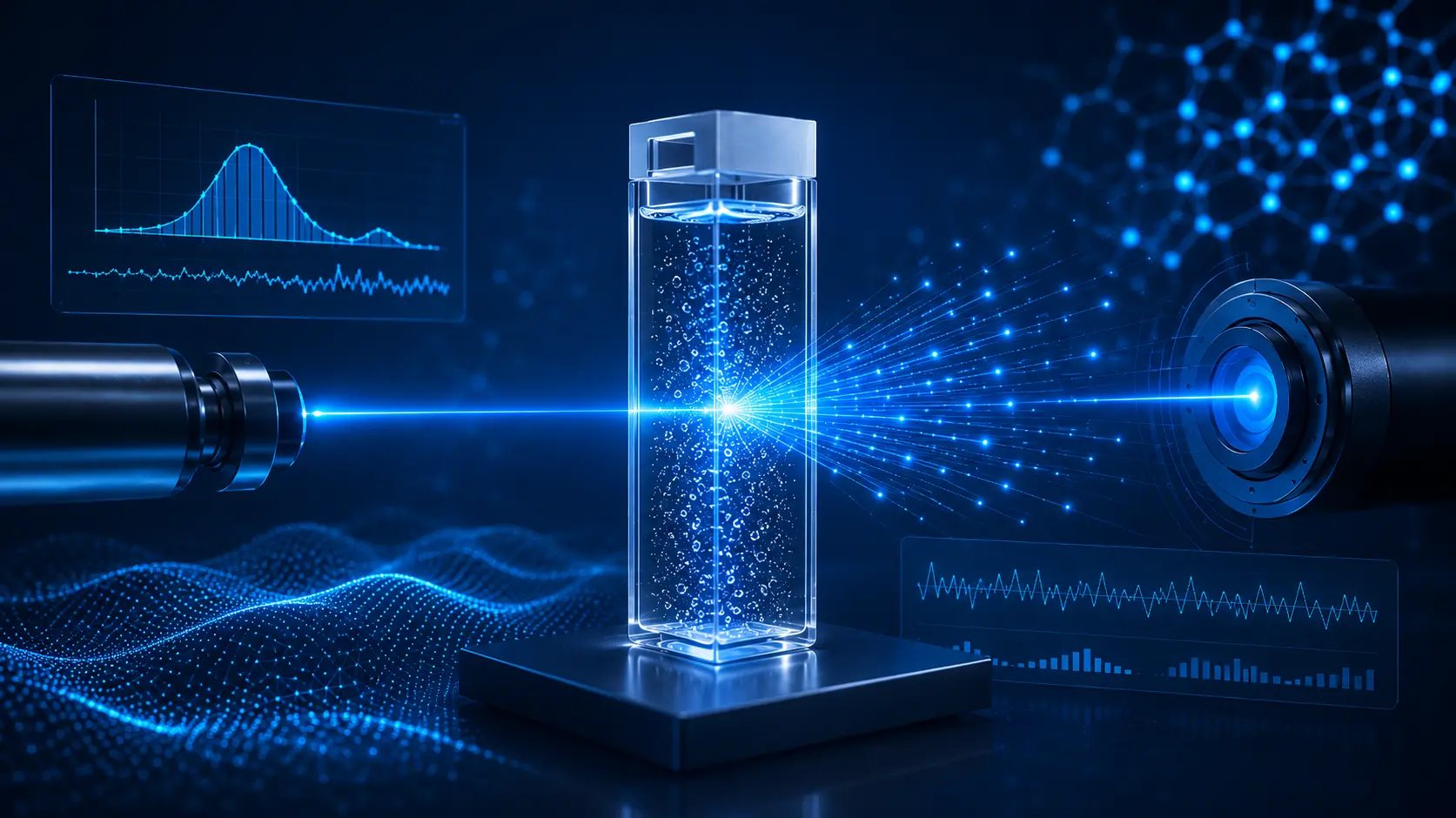
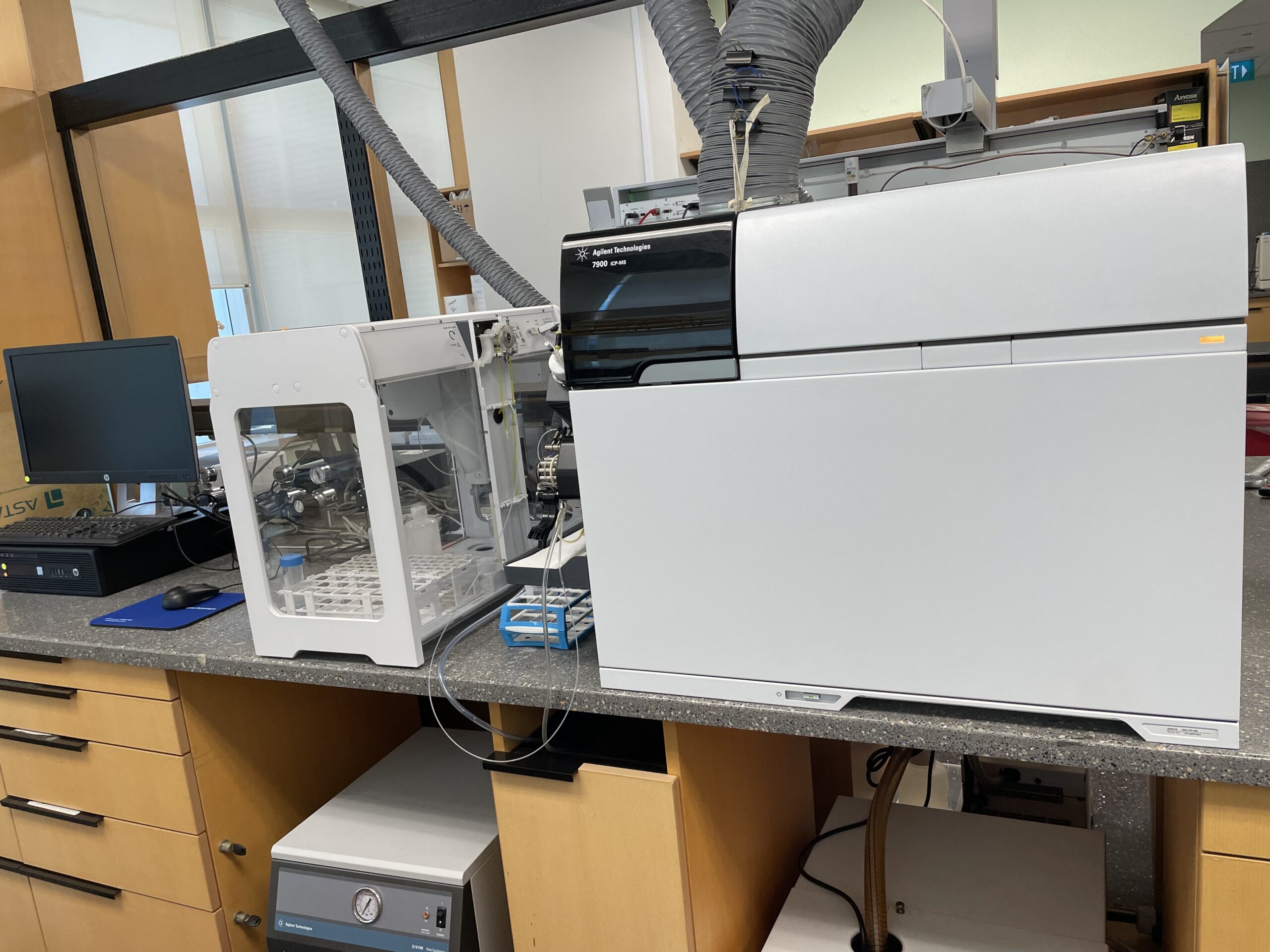
ICP-MS stands for Inductively Coupled Plasma Mass Spectrometry. It is an advanced analytical technique widely used for detecting and measuring trace elements in liquid samples. The process involves introducing the sample into a high-temperature argon plasma, where the elements are converted into charged ions. These ions are then analyzed by a mass spectrometer, which identifies and quantifies them based on their mass-to-charge ratio.
It has a feature of exceptional sensitivity. It can detect metals and other elements at ultra-trace levels, often down to parts per trillion (ppt), making it one of the most powerful tools available for elemental analysis. This level of precision is especially important for industries that require accurate water quality monitoring, environmental testing, and regulatory compliance.
The Importance of Industrial Water and Wastewater Analysis
Industries such as oil and gas, chemicals, pharmaceuticals, food processing, and power generation produce wastewater that may contain harmful contaminants. If these pollutants are not properly monitored and treated, they can affect the environment and public health.
Industrial water and wastewater analysis helps identify heavy metals such as lead, mercury, arsenic, cadmium, chromium, nickel, and zinc in water samples. Since these metals can be harmful even at very low levels, accurate testing is essential. Many laboratories now use water quality analysis with ICP-MS because it can detect multiple metals at ultra-trace concentrations. This makes ICP-MS analysis a reliable solution for environmental monitoring, regulatory compliance, and wastewater testing.
How ICP-MS Works for Water and Wastewater Testing
ICP-MS analysis follows a systematic process that helps laboratories accurately detect and measure trace metals in water and wastewater samples.
Sample Preparation
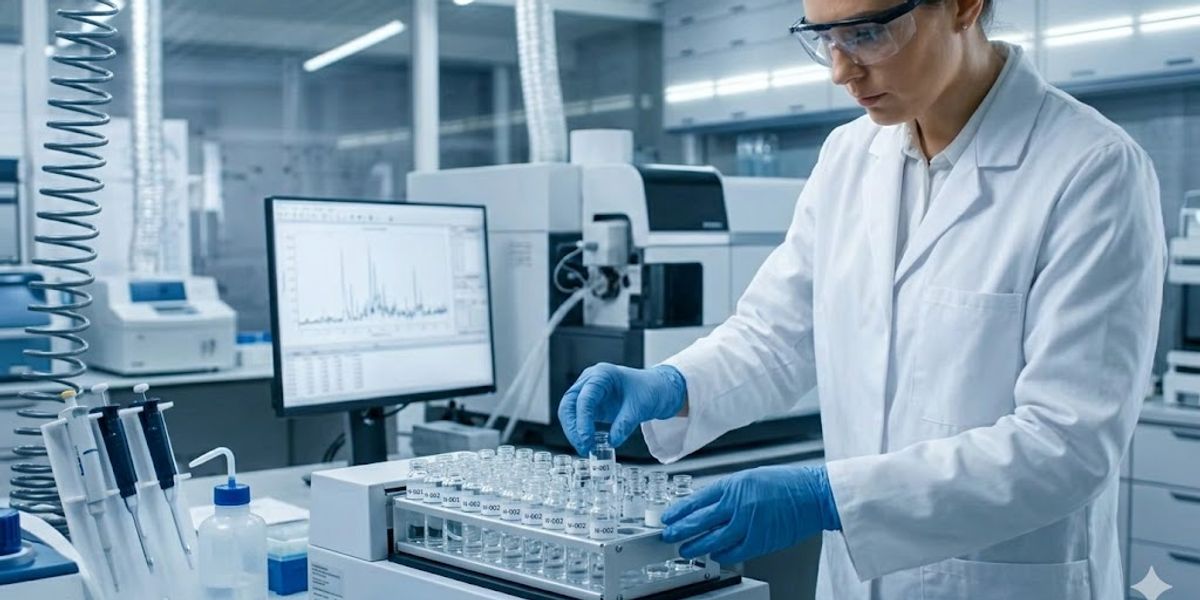
Water or wastewater samples are first collected and treated with acid, typically nitric acid, to preserve metal content and maintain sample stability. For samples containing high levels of organic matter, additional digestion may be required before analysis.
Nebulization
The prepared sample is converted into a fine mist using a nebulizer. This mist is then transported into the ICP-MS system through a stream of argon gas.
Plasma Ionization
Inside the instrument, the sample enters a high-temperature plasma torch. The extreme heat converts the elements in the sample into charged ions for analysis.
Mass Separation and Detection
The ions move into the mass spectrometer, where they are separated according to their mass-to-charge ratio. The system then detects and measures each element present in the sample.
Data Analysis
The instrument compares the detected signals with calibration standards and calculates the concentration of each element. Multiple metals can be analyzed in a single test, providing fast and accurate results.
This advanced workflow enables laboratories to perform reliable industrial water and wastewater analysis. By delivering accurate trace metal data, ICP-MS analysis supports better decision-making, effective pollution control, and improved water quality management.

What Metals Can ICP-MS Detect in Water?
One of the biggest features of ICP-MS analysis is its multi-element capability. In a single analytical run on a water sample, ICP-MS can measure:
- Lead (Pb): Commonly found in industrial wastewater, plumbing systems, and aging pipelines.
- Arsenic (As): Frequently detected in groundwater, mining wastewater, and industrial discharge.
- Mercury (Hg): associated with chemical manufacturing and industrial processing activities.
- Cadmium (Cd): Commonly present in wastewater from electroplating, battery production, and metal processing industries.
- Chromium (Cr): Found in effluents from textile, tanning, metal finishing, and dye manufacturing facilities.
- Copper (Cu), Zinc (Zn), and Nickel (Ni): Widely found in manufacturing processes, cooling systems, and industrial wastewater streams.
- Selenium (Se), Thallium (Tl), and Antimony (Sb): Trace elements that can also be accurately detected at extremely low concentrations.
For wastewater analysis instruments in the UAE, the ability to screen for all these metals simultaneously in one run makes ICP-MS both time-efficient and cost-effective over the long term.
How ICP-MS Improves Wastewater Quality Testing
While techniques such as Atomic Absorption Spectroscopy (AAS) and ICP-OES are commonly used for elemental analysis, ICP-MS offers a higher level of sensitivity and performance for industrial water and wastewater analysis.
Exceptional Detection Limits
ICP-MS can detect heavy metals at ultra-trace levels, often in the parts-per-trillion (ppt) range. This helps laboratories identify contaminants well below regulatory limits and meet strict environmental standards.
Multi-Element Analysis
One of the biggest advantages of ICP-MS analysis is its ability to measure multiple elements in a single run. Laboratories can analyze more than 70 elements simultaneously, improving efficiency and reducing testing time.
Isotope Ratio Measurement
ICP-MS can measure isotope ratios, making it useful for advanced applications such as contamination source identification, environmental studies, and research projects.
Wide Dynamic Range
The technology can accurately measure both very low and relatively high element concentrations within the same sample, making it suitable for complex wastewater and industrial samples.
High Throughput
Modern ICP-MS systems can process a large number of samples quickly, helping laboratories increase productivity and handle high testing volumes efficiently.
Low Sample Volume Requirement
Only a small amount of sample is needed for analysis, which is beneficial when sample availability is limited or when testing valuable samples.
These advantages make ICP-MS a preferred choice for environmental laboratories, industrial facilities, and water testing applications that require accurate, reliable, and high-sensitivity elemental analysis.
How ICP-MS Supports Environmental Monitoring in the UAE
As industrial activities continue to grow across the UAE and GCC, the need for accurate environmental monitoring has become increasingly important. Industries are required to regularly test and monitor wastewater quality to meet environmental regulations and compliance standards.
ICP-MS technology has become a trusted solution for environmental laboratories due to its high sensitivity, accuracy, and reliability. It is widely used for testing process water, cooling water, boiler water, marine discharge, and treated wastewater. By delivering precise trace metal analysis, ICP-MS helps laboratories comply with international standards and maintain reliable environmental monitoring programs.
Selecting the right water testing instrument supplier is essential for establishing a compliant and reliable testing laboratory.
How Industries in the UAE and GCC Use ICP-MS Water Testing
ICP-MS is widely used across various industries for accurate water quality monitoring, trace metal detection, and environmental compliance testing. Its ability to detect contaminants at extremely low concentrations makes it a valuable tool for modern laboratories.
- Oil and Gas Industry: Produced water generated during oil extraction often contains dissolved metals and other contaminants. ICP-MS helps monitor these elements before water is discharged or reused in industrial processes.
- Desalination Plants: Desalination facilities rely on ICP-MS analysis to monitor heavy metals in seawater and treated water, helping ensure water quality and compliance with regulatory standards.
- Power Generation and Utilities: Regular testing of boiler water and cooling water is essential to prevent corrosion and maintain system efficiency. ICP-MS provides accurate trace metal analysis to support these operations.
- Chemical and Petrochemical Industries: Industrial effluents from chemical and petrochemical plants can contain complex metal contaminants. ICP-MS enables reliable detection and monitoring of these elements for effective environmental management.
- Food and Beverage Industry: Water used in food production must meet strict quality requirements. ICP-MS helps identify trace levels of metals such as lead, arsenic, and cadmium to ensure product safety.
- Municipal Wastewater Treatment Plants: Wastewater treatment facilities use ICP-MS to verify that treated water meets environmental discharge standards and contains safe levels of metal contaminants.
These applications highlight why ICP-MS analysis has become an essential technology for industrial water and wastewater analysis across the UAE and GCC region.
How to Choose the Best ICP-MS Instrument for Water Testing
Selecting the right ICP-MS instrument is important for achieving accurate and reliable water analysis results. Laboratories should look for systems that offer ultra-trace detection capabilities, advanced interference removal technology, high sample throughput, and user-friendly software for efficient data management and regulatory compliance.
Equally important is choosing a trusted ICP-MS supplier that provides installation, training, calibration, and ongoing technical support. Reliable after-sales service helps ensure smooth laboratory operations, maximum instrument performance, and long-term value from the investment.
Conclusion
ICP-MS analysis has become a trusted solution for industrial water and wastewater analysis due to its ability to detect heavy metals and trace elements with exceptional accuracy at ultra-low concentrations. For laboratories across the UAE and GCC, adopting ICP-MS technology supports environmental compliance, reliable water quality monitoring, and sustainable industrial operations while ensuring accurate and dependable testing results with advanced laboratory instruments.
FAQs:
Contact:
Contact our experts for reliable water testing and ultra-trace metal analysis and get a quote today.
Mobile/WhatsApp: +971526191767
Email: sales@apex-instrument.com