If you work in the power industry or deal with transformer maintenance in any way, keeping a close eye on transformer health is just part of the job. One of the most reliable ways to do that is through furan analysis in transformer oil. And when it comes to getting accurate, repeatable results for this kind of testing, a well-configured HPLC system with a photodiode array detector is genuinely hard to beat.
This blog is going to walk you through what furan analysis is, why it matters so much, how HPLC actually works, and why the HPLC system with PDA detector for furan analysis has become the go-to setup in labs and industrial testing facilities around the world. We will also cover compliance with IEC 61198 and ASTM D5837 so your testing process lines up with the right international standards.
What is Furan Analysis in Transformer Oil?
Transformers are filled with insulating oil, and the solid insulation inside is made from cellulose-based materials. Over time, as the transformer ages or gets exposed to heat and electrical stress, that cellulose starts breaking down. When it does, it releases a group of chemical compounds called furans or furfural compounds into the oil.
Furan analysis is basically a diagnostic test that detects and measures these compounds dissolved in the transformer oil. The concentration and pattern of these furanics give engineers a direct look at how degraded the paper insulation inside the transformer actually is, and the best part is, you do not have to take the transformer offline or open it up to find out.
The five furan compounds that get measured most commonly are 2-Furaldehyde which is called 2-FAL and is the most important one, 5-Methyl-2-furaldehyde or 5-MEF, 2-Acetylfuran or 2-ACF, 5-Hydroxymethyl-2-furaldehyde or 5-HMF, and 2-Furfuryl alcohol or 2-FOL. Together, these five compounds tell a very complete story about the state of the transformer insulation, which is why transformer oil furan test results are so heavily relied upon in predictive maintenance programs across the power sector.
Why Furan Analysis Matters in the Power Industry
Think about it this way. Transformers are among the most expensive and critical assets in any power utility or industrial facility. A single large power transformer can cost anywhere from a few hundred thousand to several million dollars. When one fails without warning, the consequences go way beyond replacement costs. You are looking at extended outages, significant revenue losses, and sometimes serious safety risks.
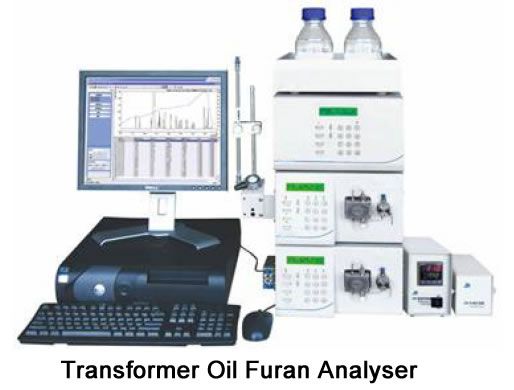
Furan analysis gives you an early warning before any of that happens. When the concentration of 2-FAL in the transformer oil starts rising beyond certain thresholds, it is telling you that the paper insulation is degrading faster than it should. You can plan maintenance, schedule a replacement, or dig into the root cause, all before a catastrophic failure.
This is exactly why transformer oil furan test programs have become standard in condition-based monitoring for utilities, industrial plants, and oil-filled equipment manufacturers worldwide. The interpretation of furan analysis results is a skill in itself. Low concentrations in the ppb range are normal for aging transformers. When levels cross 1000 ppb for 2-FAL, that typically signals significant insulation degradation. Very high concentrations may mean the transformer is approaching the end of its useful life.
HPLC Working Principle and How It Works
Before getting into why HPLC is the best choice for furan analysis, it helps to understand the HPLC working principle in plain terms. High-performance liquid chromatography is a separation technique. You push a liquid sample through a column packed with tiny particles at high pressure. Different compounds in the sample interact differently with the stationary phase inside the column, so some move through quickly while others take longer. That difference in travel time is what separates them from each other.
Here is the basic flow. The mobile phase, which is a liquid solvent, is pumped at high pressure through the system. The sample is injected into that stream and passes through the analytical column, where separation happens. Separated compounds exit the column at different times, called retention times, and a detector identifies and quantifies each compound as it passes through.
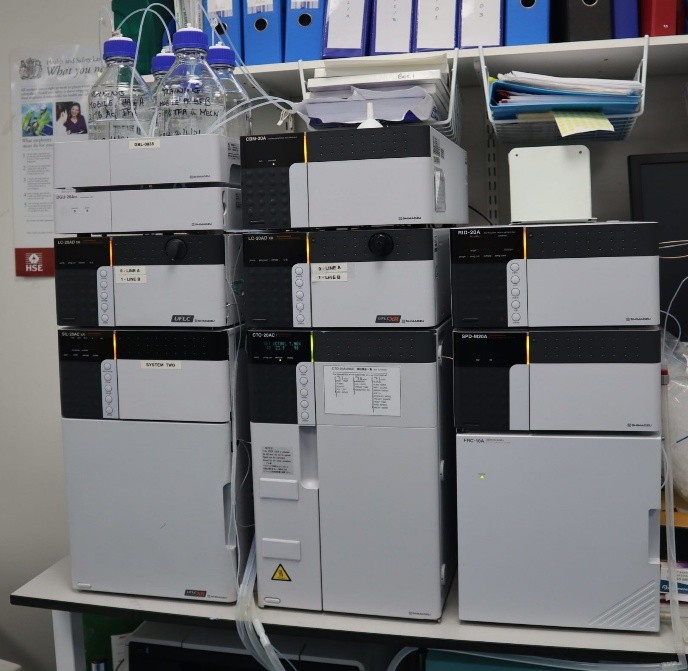
For furan analysis, the column is typically a reverse-phase C18 column, and the mobile phase is usually a mixture of acetonitrile and water. The furan compounds separate cleanly under these conditions, which is what makes HPLC furan analysis so reliable.
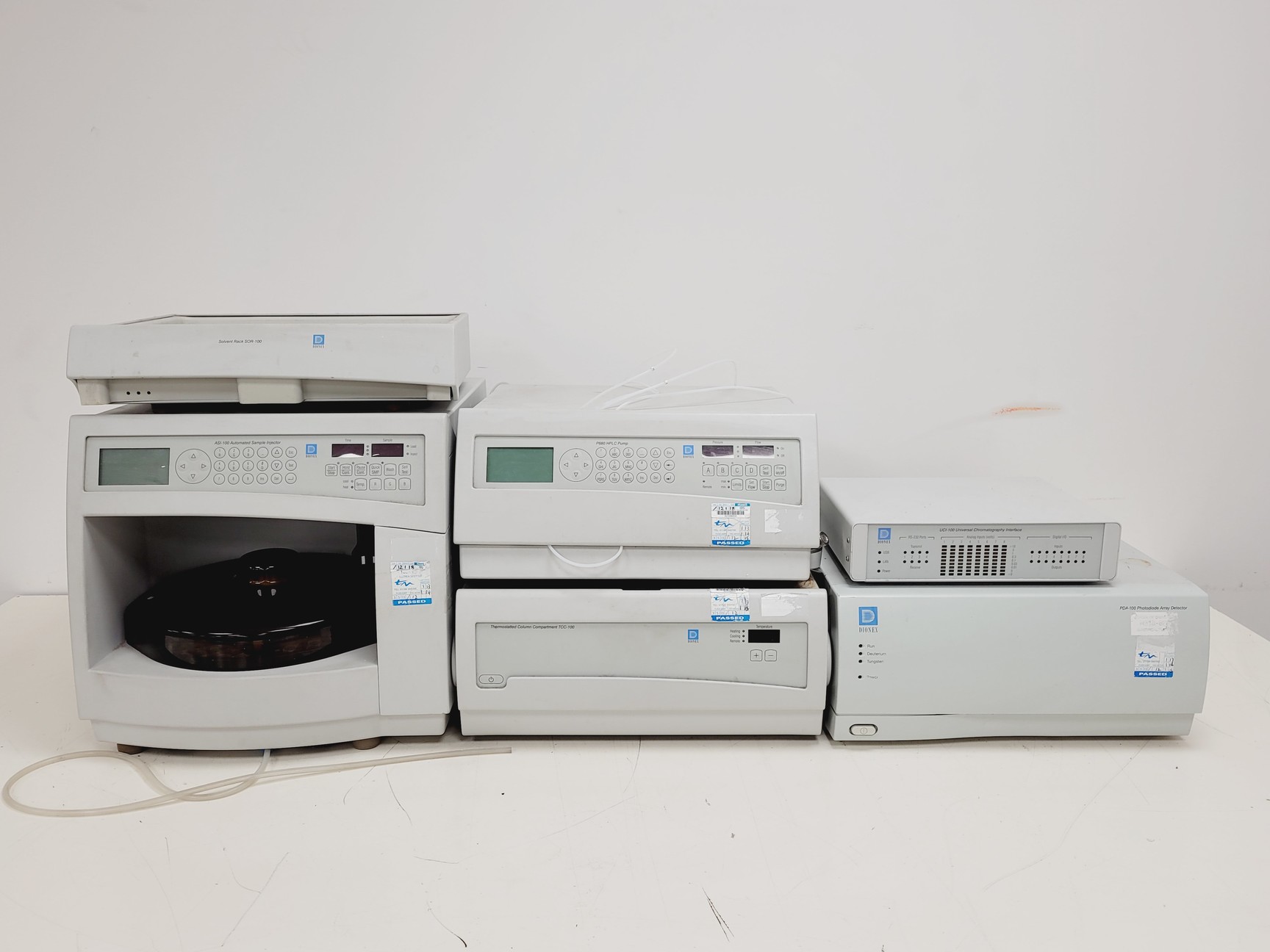
The HPLC photodiode array detector is what really sets modern systems apart. Unlike a single-wavelength UV detector, a PDA detector captures the full UV-visible spectrum at every single point in time. That means you get both quantitative data showing how much of each compound is present and qualitative confirmation that the UV spectrum matches the reference standard. This dual confirmation cuts down on false positives and seriously improves confidence in your results.
HPLC System with PDA Detector for Furan Analysis and Why This Configuration Works
Transformer oil samples are complex. There are hundreds of other compounds present in the oil, and you need to detect furans at very low concentrations, often in the range of 1 to 10 parts per billion. The HPLC photodiode array detector setup gives you the sensitivity and selectivity to confidently identify furans even in heavily aged oils with complicated backgrounds.
With a PDA detector, every peak in your chromatogram comes with an associated UV spectrum. You compare that spectrum against your reference standards to confirm the peak identity. That spectral matching eliminates ambiguity, and you know exactly what you are measuring, which is a big advantage over single-wavelength detection.
A good HPLC system for furan analysis can separate and quantify all five furan compounds in a single injection in 20 to 30 minutes. That makes the testing process efficient and cost-effective, especially in high-throughput labs processing hundreds of samples per month. Both ASTM D5837 and IEC 61198 specifically point to liquid chromatography as the preferred analytical method for furan analysis in transformer oil. When you buy an HPLC system for oil analysis configured per these standards, you get data that is internationally recognized and accepted by utilities, regulators, and insurance companies.
ASTM D5837 Furan Analysis by HPLC Method
ASTM D5837 is the American standard covering the determination of furan compounds in electrical insulating liquids by HPLC. It is widely used across North America and referenced internationally by many organizations. Key aspects of the ASTM D5837 furan analysis by HPLC method include sample preparation through solid-phase extraction to concentrate the furans and remove interfering compounds from the oil matrix. The method specifies a reverse-phase column with UV detection, calibration using certified reference standards at multiple concentration levels, coverage of all five major furan compounds, and detection limits typically in the range of 1 to 5 ppb.
If you are setting up a transformer oil furan test program or looking at purchasing an HPLC system for furan analysis, ASTM D5837 compliance should be a baseline requirement. Make sure the system you choose has been validated against this standard.
IEC 61198 and What It Covers
On the international side, IEC 61198 is the standard to follow. Published by the International Electrotechnical Commission, it covers the determination of 2-furfural and related compounds in insulating oil. IEC 61198 is widely followed by utilities and transformer manufacturers in Europe, Asia, and most of the rest of the world.
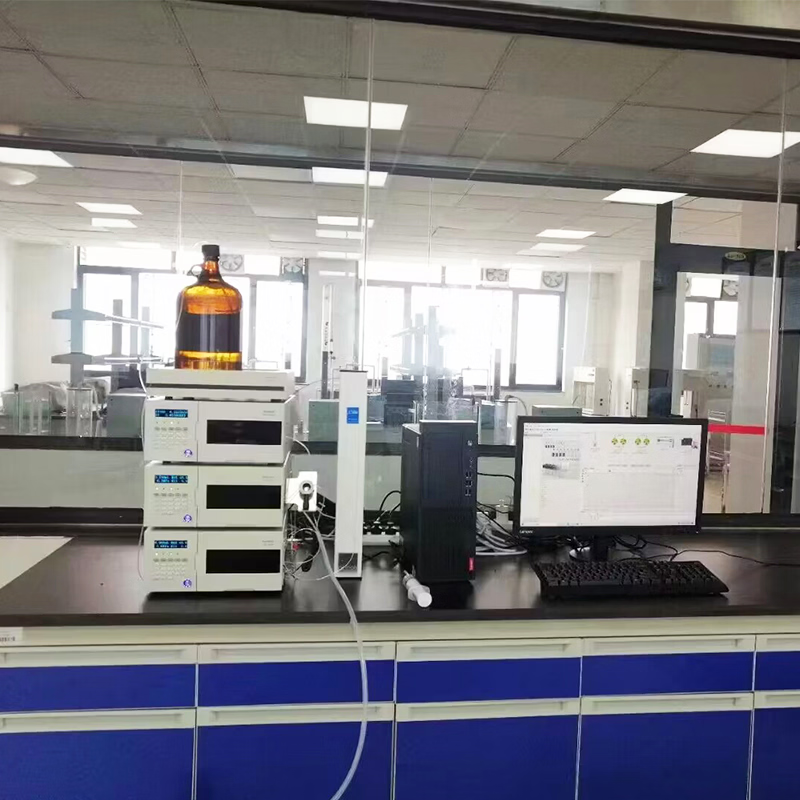
IEC 61198 uses a similar liquid chromatography approach to ASTM D5837, but there are some differences in sample preparation procedures and reporting formats. Many global labs run methods compliant with both standards, particularly if they serve international clients. When looking to buy HPLC system for oil analysis that meets both ASTM and IEC requirements, look for systems where the software supports flexible method programming and the hardware delivers the precision and sensitivity both standards require.
What to Look for When You Buy an HPLC System for Oil Analysis
The HPLC photodiode array detector should have a wide wavelength range, typically 190 to 800 nm, high optical resolution, and low noise levels. Better detector quality means lower detection limits and more accurate spectral confirmation.
A good autosampler with temperature control and wide sample capacity is important for labs running large batches, and carryover between samples should be less than 0.05%. The data system should support full audit trails and secure data storage at a minimum. Look for vendors offering pre-validated methods for ASTM D5837 furan analysis by the HPLC method and IEC 61198, since that dramatically shortens the time from installation to routine use. Application support specific to transformer oil analysis is also really valuable since not every HPLC specialist has hands-on experience with oil matrix sample preparation.
Conclusion
The HPLC system with PDA detector for furan analysis has become one of the most important tools in transformer condition monitoring. The combination of HPLC furan analysis with proper result interpretation, backed by compliance with ASTM D5837 and IEC 61198, gives you a scientifically sound and internationally recognized basis for transformer health assessment. When a single transformer failure can cost millions and affect thousands of people, that kind of reliable data is genuinely worth investing in.