Maintaining consistent product quality from the initial receipt of raw materials through the delivery of finished products represents one of the most critical challenges facing manufacturers. Modern production chains are rapidly complex and span industries such as petrochemicals, pharmaceuticals, food and beverage, polymers, and specialty chemicals. This blog covers the diverse headspace GC-FID industrial applications across the production chain, from incoming raw material verification to final product release testing.
Headspace GC-FID Technology in Industrial Contexts
The Fundamentals of Headspace GC-FID
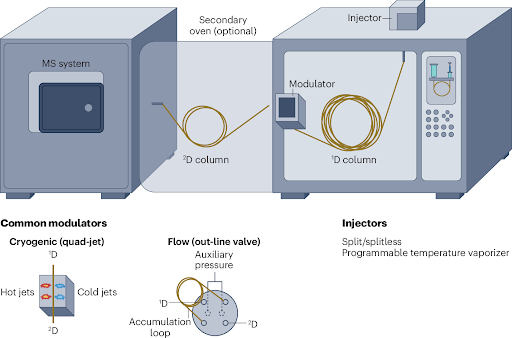
Headspace GC-FID combines two sophisticated analytical technologies to create a powerful quality control tool. The headspace sampling technique analyzes the vapor phase above a sample rather than directly injecting the sample material itself. When a sample is sealed in a specialized vial and heated, volatile compounds partition into the gas phase above the sample, establishing an equilibrium between the liquid or solid phase and the headspace vapor. This vapor is then automatically sampled and injected into a gas chromatograph, where compounds are separated based on their physical and chemical properties.
Headspace GC-FID Industrial Applications at the Raw Material Stage
Incoming Raw Material Verification
The foundation of any quality manufacturing process begins with verifying that incoming raw materials meet specifications. Headspace GC-FID industrial applications at this critical first stage ensure that only materials of appropriate quality enter the production chain, preventing costly downstream issues.
For chemical manufacturers receiving solvents, monomers, or other volatile raw materials, headspace GC-FID provides rapid verification of purity and composition. According to industry studies, implementing rigorous incoming material testing through techniques like headspace GC-FID quality control can reduce production failures by 30%-50%, representing significant cost avoidance.
Supplier Quality Monitoring Programs
Beyond individual lot verification, headspace BGC-FID enables systematic supplier quality monitoring programs. By maintaining detailed analytical records of incoming materials from different suppliers, quality control teams can identify trends, compare supplier performance, and make data-driven sourcing decisions.
Contamination Detection and Root Cause Analysis
When raw material quality issues do occur, headspace GC-FID industrial applications facilitate rapid detection of contamination and investigation of the root cause. The technique’s excellent sensitivity enables the detection of trace-level volatile contaminants that may indicate packaging problems, transportation issues, or supplier process deviations.
Process Monitoring and In-Process Quality Control
Real-time Production Monitoring
As raw materials progress through manufacturing operations, headspace GC-FID provides critical visibility into process performance. Modern headspace GC-FID industrial applications support at-line or near-line analysis, enabling quality control laboratories to deliver results while batches are still in production. This rapid feedback allows process adjustments before significant material has been produced, minimizing waste and optimizing yield.
Cleaning Validation and Cross-Contamination Prevention
Headspace GC-FID industrial applications involve cleaning validation, which confirms that manufacturing equipment has been adequately cleaned between batches or product changeovers. This application is particularly important in pharmaceutical manufacturing, where residual active pharmaceutical ingredients (APIs) or cleaning solvents could contaminate subsequent batches.
Headspace GC-FID analyzes rinse samples or direct swabs from equipment surfaces, detecting residual volatile compounds with exceptional sensitivity. The technique can identify specific solvents or volatile APIs, providing definitive evidence of cleaning effectiveness.
Batch Release Criteria and Process Analytical Technology
Advanced manufacturing facilities increasingly integrate headspace GC-FID into Process Analytical Technology (PAT) frameworks. In this context, the technique provides critical quality attribute (CQA) data used in real-time release testing (RTRT) programs. Rather than waiting for final product testing to confirm quality, manufacturers can use in-process headspace GC-FID industrial applications to verify that CQAs remain within acceptable ranges throughout production.
Intermediate Product Testing and Quality Control
Semi-Finished Product Characterization
Between raw material receipt and final product manufacture, many industrial processes produce intermediate or semi-finished products that require characterization. Headspace GC-FID industrial applications provide efficient analysis of these materials, ensuring they meet specifications before progressing to subsequent manufacturing steps.
Stability and Storage Monitoring
Once manufactured, intermediate products may be stored for extended periods before final processing. Headspace GC-FID enables monitoring of these materials during storage, detecting any degradation or generation of volatile compounds that might indicate quality deterioration. This capability supports shelf-life determinations and ensures that only materials of appropriate quality advance to final production stages.
Formulation Development and Optimization
During product development and formulation optimization, headspace GC-FID provides invaluable data on how formulation variables affect volatile compound profiles. Researchers can systematically evaluate different raw material sources, processing conditions, or additive levels, using headspace GC-FID industrial applications to quantify the resulting changes in volatile composition.
Final Product Testing and Release
Comprehensive Finished Product Analysis
At the final stage of the production chain, headspace GC-FID industrial applications provide definitive verification that finished products meet all specifications before release to customers. It represents the last opportunity to detect and address quality issues before products reach the market.
Residual Solvent Analysis
Headspace GC-FID industrial applications involve residual solvent testing of finished pharmaceutical products, active pharmaceutical ingredients, and excipients. Regulatory guidelines establish strict limits for residual solvents based on toxicity classifications, and headspace GC-FID quality control provides the sensitivity and specificity needed to verify compliance.
VOC Emissions Testing
Environmental regulations worldwide increasingly restrict volatile organic compound emissions from manufactured products. Headspace GC-FID industrial applications enable manufacturers to quantify total VOCs and individual volatile species, ensuring products comply with applicable environmental standards.
For architectural coatings and adhesives, regulations often specify maximum allowable VOC content expressed as grams of VOC per liter of product. Headspace GC-FID quality control methods calibrated against representative VOC mixtures provide accurate total VOC determinations, supporting regulatory submissions and product labeling requirements.
Shelf Life and Stability Studies
Final product testing extends beyond initial release to include ongoing stability monitoring. Headspace GC-FID plays a crucial role in shelf-life studies, detecting changes in volatile compound profiles that might indicate product degradation, oxidation, or interaction with packaging materials.
The Benefits of Headspace GC-FID in Industry: A Comprehensive Perspective
Analytical Performance Advantages
The benefits of headspace GC-FID in industry begin with exceptional analytical performance. The technique offers:
- High Sensitivity: Detection limits routinely achieve low ppm to ppb levels, sufficient for virtually all industrial quality control applications. For trace impurity monitoring, method optimization can extend sensitivity even further, reaching sub-ppb detection for certain compounds.
- Excellent Reproducibility: Automated headspace sampling eliminates the variability associated with manual sample preparation, achieving relative standard deviations typically below 2-3% for most applications. This precision supports tight quality specifications and reliable process control.
Universal Organic Detection: The FID responds to virtually all organic compounds containing carbon-hydrogen bonds, providing comprehensive volatile compound profiles without the selectivity limitations of other detection methods.
Operational and Economic Benefits
- Reduced Instrument Maintenance: By introducing only volatile compounds into the GC system, headspace sampling dramatically reduces contamination accumulation. Industrial laboratories report column lifetimes 2-3 times longer with headspace injection compared to liquid injection, while injection port maintenance intervals extend from weeks to months.
- Minimal Sample Preparation: The elimination of extraction procedures, derivatization reactions, and cleanup steps reduces labor costs, consumable expenses, and analysis time. For high-volume quality control laboratories processing hundreds of samples daily, these efficiency gains translate to significant cost savings, $50,000-$100,000 annually for medium-sized facilities.
- Solvent Reduction: Traditional extraction-based methods consume large volumes of high-purity solvents, generating hazardous waste requiring disposal. Headspace GC-FID quality control eliminates this solvent consumption, reducing operating costs and environmental impact while supporting corporate sustainability initiatives.
Regulatory and Compliance Benefits
- Compendial Method Alignment: Headspace GC-FID methods for residual solvent analysis align with international pharmacopoeial standards. This facilitates method validation and regulatory acceptance.
- Audit Trail and Data Integrity: Modern headspace GC-FID systems integrate with laboratory information management systems (LIMS), providing electronic data capture, audit trails, and 21 CFR Part 11 compliance features required for regulated industries.
- Method Transferability: Standardized headspace GC-FID quality control methods transfer easily between laboratories and instrument platforms, supporting multi-site manufacturing operations and contract testing relationships.
Conclusion
Headspace GC-FID technology has firmly established itself as an essential analytical tool throughout the industrial production chain, from raw material receipt through final product release. For organizations operating in the Middle East, the availability of accredited analytical laboratories throughout the UAE provides convenient access to expert headspace GC-FID capabilities.
As you consider how to book headspace GC-FID testing in the UAE or develop internal capabilities, remember that success depends not only on analytical instrumentation but also on proper method development, analyst training, quality systems, and data management.
FAQs
At which stages of production can headspace GC-FID be used?
Headspace GC-FID can be used at every stage of your production process. This includes testing incoming raw materials before they enter production, monitoring during manufacturing to ensure everything is on track, checking intermediate products between processing steps, and final testing of finished products before they are shipped to customers.
How quickly can I get results from headspace GC-FID testing?
For most standard applications, you can expect results within 24-48 hours from the time samples reach the laboratory. If you have urgent production decisions waiting, many labs in the UAE offer same-day or next-day service for critical samples. The actual analysis itself typically takes 15-30 minutes per sample, but total turnaround includes sample login, preparation, analysis, and report generation.
Is headspace GC-FID testing expensive compared to other methods?
While the initial setup cost might seem higher, headspace GC-FID actually saves money in the long run. You’ll spend less on solvents and chemicals, need fewer staff hours for sample preparation, and experience less instrument downtime for maintenance. Most companies find that the method pays for itself within a year through these savings, plus you get better quality control that prevents costly production failures.
Can headspace GC-FID detect contamination in my raw materials?
Yes, absolutely! Headspace GC-FID is excellent at detecting volatile contaminants in raw materials, even at very low levels (parts per million or billion). It can identify unexpected compounds that might indicate supplier problems, packaging issues, or transportation contamination. This early detection helps you reject problematic materials before they cause production issues or product failures.
Do I need special sample preparation for headspace GC-FID testing?
No, that’s one of the best features! Unlike many other analytical methods, headspace GC-FID requires minimal sample preparation. You simply place your sample in a special vial, seal it, and the instrument does the rest. There’s no need for complex extractions, dilutions, or chemical treatments. This simplicity means faster results and fewer opportunities for errors.
How do I book headspace GC-FID testing services in the UAE?
Booking is straightforward. Contact an accredited analytical laboratory in the UAE (like ours), describe what you need tested and what compounds you’re looking for, and they’ll guide you through the process. You’ll typically need to provide sample details, the number of samples, and your required turnaround time. The lab will then provide a quotation and arrange sample collection or provide instructions for sending samples to their facility.
Can headspace GC-FID help with regulatory compliance?
Yes, it’s widely accepted by regulatory authorities worldwide. Headspace GC-FID methods align with international standards like USP, ICH, and EPA guidelines for various applications, including residual solvent testing, VOC emissions monitoring, and environmental compliance. Using accredited laboratories in the UAE ensures your test results meet regulatory requirements and are accepted by authorities for product approvals and compliance documentation.
What is headspace GC-FID technology?
Headspace GC-FID combines two sophisticated analytical technologies to create a powerful quality control tool. The headspace sampling technique analyzes the vapor phase above a sample rather than directly injecting the sample material itself. When a sample is sealed in a specialized vial and heated, volatile compounds partition into the gas phase above the sample, establishing an equilibrium between the liquid or solid phase and the headspace vapor.
Which industries use headspace GC-FID in industrial applications?
Industries using headspace GC-FID include petrochemicals, pharmaceuticals, food and beverage, polymers, and specialty chemicals across the production chain.
How does headspace GC-FID help in incoming raw material verification?
Headspace GC-FID provides rapid verification of purity and composition for raw materials. For chemical manufacturers receiving solvents, monomers, or other volatile raw materials, it ensures that only materials of appropriate quality enter the production chain, preventing costly downstream issues.
Can headspace GC-FID quality control reduce production failures?
Yes, according to industry studies, implementing rigorous incoming material testing through techniques like headspace GC-FID quality control can reduce production failures by 30%-50%, representing significant cost avoidance.
How does headspace GC-FID support supplier quality monitoring programs?
Headspace GC-FID enables systematic supplier quality monitoring programs by maintaining detailed analytical records of incoming materials from different suppliers. Quality control teams can identify trends, compare supplier performance, and make data-driven sourcing decisions.
What role does headspace GC-FID play in contamination detection?
Headspace GC-FID industrial applications facilitate rapid detection of contamination and investigation of root causes. The technique’s excellent sensitivity enables the detection of trace-level volatile contaminants that may indicate packaging problems, transportation issues, or supplier process deviations.
How does headspace GC-FID enable real-time production monitoring?
Modern headspace GC-FID industrial applications support at-line or near-line analysis, enabling quality control laboratories to deliver results while batches are still in production. This rapid feedback allows process adjustments before significant material has been produced, minimizing waste and optimizing yield.
What is the application of headspace GC-FID in cleaning validation?
Headspace GC-FID confirms that manufacturing equipment has been adequately cleaned between batches or product changeovers. It analyzes rinse samples or direct swabs from equipment surfaces, detecting residual volatile compounds with exceptional sensitivity. The technique can identify specific solvents or volatile APIs, providing definitive evidence of cleaning effectiveness.
Why is cleaning validation particularly important in pharmaceutical manufacturing?
In pharmaceutical manufacturing, residual active pharmaceutical ingredients (APIs) or cleaning solvents could contaminate subsequent batches, making cleaning validation critical to product safety and quality.
How does headspace GC-FID integrate with Process Analytical Technology (PAT)?
Advanced manufacturing facilities integrate headspace GC-FID into PAT frameworks, where it provides critical quality attribute (CQA) data used in real-time release testing (RTRT) programs. This allows manufacturers to verify that CQAs remain within acceptable ranges throughout production rather than waiting for final product testing.
How is headspace GC-FID used for intermediate product testing?
Headspace GC-FID industrial applications provide efficient analysis of intermediate or semi-finished products, ensuring they meet specifications before progressing to subsequent manufacturing steps.
Can headspace GC-FID monitor product stability during storage?
Yes, headspace GC-FID enables monitoring of intermediate products during storage, detecting any degradation or generation of volatile compounds that might indicate quality deterioration. This capability supports shelf-life determinations and ensures that only materials of appropriate quality advance to final production stages.
How does headspace GC-FID assist in formulation development?
During product development and formulation optimization, headspace GC-FID provides invaluable data on how formulation variables affect volatile compound profiles. Researchers can systematically evaluate different raw material sources, processing conditions, or additive levels to quantify resulting changes in volatile composition.
What is the role of headspace GC-FID in final product testing?
Headspace GC-FID industrial applications provide definitive verification that finished products meet all specifications before release to customers. It represents the last opportunity to detect and address quality issues before products reach the market.
How does headspace GC-FID support residual solvent analysis in finished products?
Headspace GC-FID quality control provides the sensitivity and specificity needed to verify compliance with regulatory guidelines that establish strict limits for residual solvents based on toxicity classifications in finished pharmaceutical products, active pharmaceutical ingredients, and excipients.
How is headspace GC-FID used for VOC emissions testing?
Headspace GC-FID industrial applications enable manufacturers to quantify total VOCs and individual volatile species, ensuring products comply with applicable environmental standards. For architectural coatings and adhesives, methods calibrated against representative VOC mixtures provide accurate total VOC determinations.
What is the sensitivity level of headspace GC-FID?
Detection limits routinely achieve low ppm to ppb levels, sufficient for virtually all industrial quality control applications. For trace impurity monitoring, method optimization can extend sensitivity even further, reaching sub-ppb detection for certain compounds.
What is the reproducibility of headspace GC-FID measurements?
Automated headspace sampling eliminates the variability associated with manual sample preparation, achieving relative standard deviations typically below 2-3% for most applications. This precision supports tight quality specifications and reliable process control.
How does headspace GC-FID reduce instrument maintenance?
By introducing only volatile compounds into the GC system, headspace sampling dramatically reduces contamination accumulation. Industrial laboratories report column lifetimes 2-3 times longer with headspace injection compared to liquid injection, while injection port maintenance intervals extend from weeks to months.
What cost savings does headspace GC-FID provide?
The elimination of extraction procedures, derivatization reactions, and cleanup steps reduces labor costs, consumable expenses, and analysis time. For high-volume quality control laboratories processing hundreds of samples daily, these efficiency gains translate to significant cost savings of $50,000-$100,000 annually for medium-sized facilities.
How does headspace GC-FID support environmental sustainability?
Traditional extraction-based methods consume large volumes of high-purity solvents, generating hazardous waste requiring disposal. Headspace GC-FID quality control eliminates this solvent consumption, reducing operating costs and environmental impact while supporting corporate sustainability initiatives.
Does headspace GC-FID align with regulatory standards?
Yes, headspace GC-FID methods for residual solvent analysis align with international pharmacopoeial standards. This facilitates method validation and regulatory acceptance. Modern systems also integrate with LIMS, providing electronic data capture, audit trails, and 21 CFR Part 11 compliance features required for regulated industries.
Can headspace GC-FID methods be transferred between laboratories?
Yes, standardized headspace GC-FID quality control methods transfer easily between laboratories and instrument platforms, supporting multi-site manufacturing operations and contract testing relationships.
Looking for Reliable Headspace GC-FID Testing Services in the UAE?
Our team delivers accurate results with fast turnaround times to keep your production on schedule. Contact us today to discuss your testing requirements or request a quote.
Contact :
- Mobile/WhatsApp: +971526191767
- Email: sales@apex-instrument.com