If you work in the mining industry, you already know how much it rides on accurate, fast, and reliable elemental analysis. If you are dealing with ore grade control, sorting materials on-site, or mapping geochemical patterns across a large exploration area, the right analytical tool can make or break a project. That is where XRF technology comes in, and more specifically, where choosing the right XRF analyzer for mining becomes one of the most important decisions you will make for your operation.
This blog will help mining professionals, procurement teams, and field geologists understand what XRF analyzers actually do, why they are important in mining, and how to choose an XRF analyzer.
Why XRF Analyzer and Its Importance in Mining
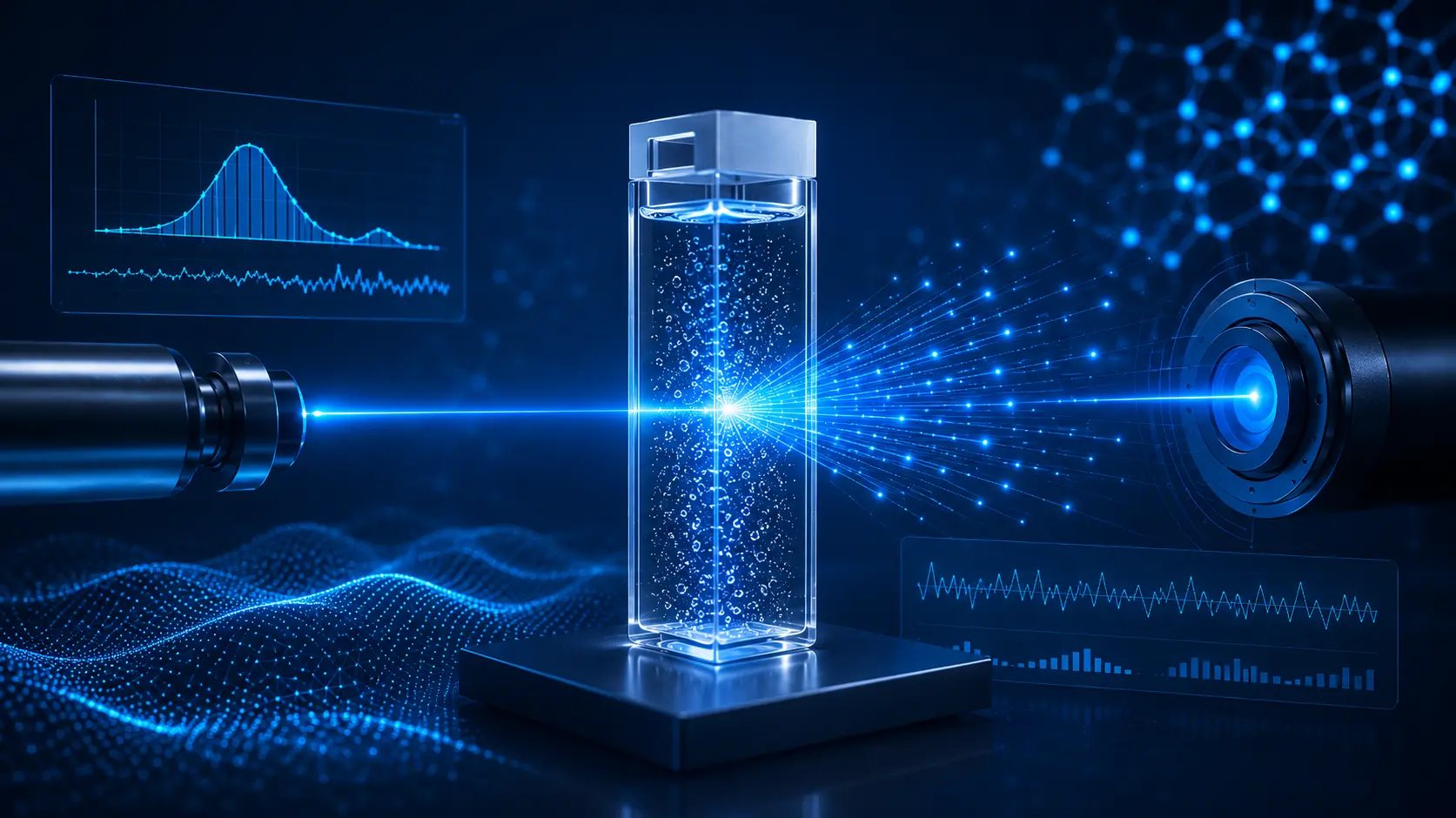
What is an XRF analyzer? XRF stands for X-Ray Fluorescence. An XRF analyzer sends X-rays into a material sample, and the atoms in that sample respond by emitting their own fluorescent X-rays. Each element has a unique fluorescent signature, so the device can identify and quantify which elements are present and in what concentrations.
Instead of sending samples to a laboratory and waiting days for results, an XRF analyzer can give you results in seconds or minutes, right on the drill site, at the processing plant, or in the field.
So why use XRF in mining? Because mining operations deal with time-sensitive decisions every single day. Ore grade control cannot wait for a week-long lab turnaround. If your team is drilling and you need to know in real time if you have hit a zone worth processing, an XRF analyzer delivers that answer before the drill moves on.
Applications of XRF Analyzer in Mining
Applications of XRF analyzer in mining cover a surprisingly wide range of tasks. Here are the most important ones:
- Ore Grade Control: This is probably the most common use. Mining companies use XRF to determine the concentration of target metals like copper, gold, zinc, lead, iron, and many others in ore samples. Accurate ore grade control helps direct the processing of high-value material and avoid wasting resources on low-grade zones.
- Geochemical Mapping: During exploration, geologists collect hundreds or thousands of soil, rock, and sediment samples. Analyzing all of these in a lab is expensive and slow. With a portable XRF, teams can perform geochemical mapping in the field and get a picture of elemental distribution across large areas quickly and cheaply.
- Mine Waste and Tailings Management: Environmental regulations are getting stricter. XRF analyzers help mining companies monitor the elemental content of tailings and waste material to ensure compliance and identify opportunities for secondary recovery.
- Sorting and Grade Control at the Processing Plant: Some operations use XRF at conveyor belts or sorting stations to direct ore streams. High-grade material goes to processing, low-grade material goes to the stockpile or waste, and this sorting happens in real time.
- Soil and Sediment Contamination Testing: Mining sites often require ongoing environmental monitoring. XRF is used to detect heavy metals and contaminants in surrounding soil and water sediments, helping companies meet their environmental obligations.
- Core Logging: Geologists working with drill cores can scan the core with a handheld or benchtop XRF analyzer to log elemental data continuously, replacing or supplementing traditional visual logging.
Handheld vs. Benchtop vs. Online XRF: Which One Do You Need?
Before getting into the selection criteria, it helps to understand the three main categories of XRF analyzers used in mining.
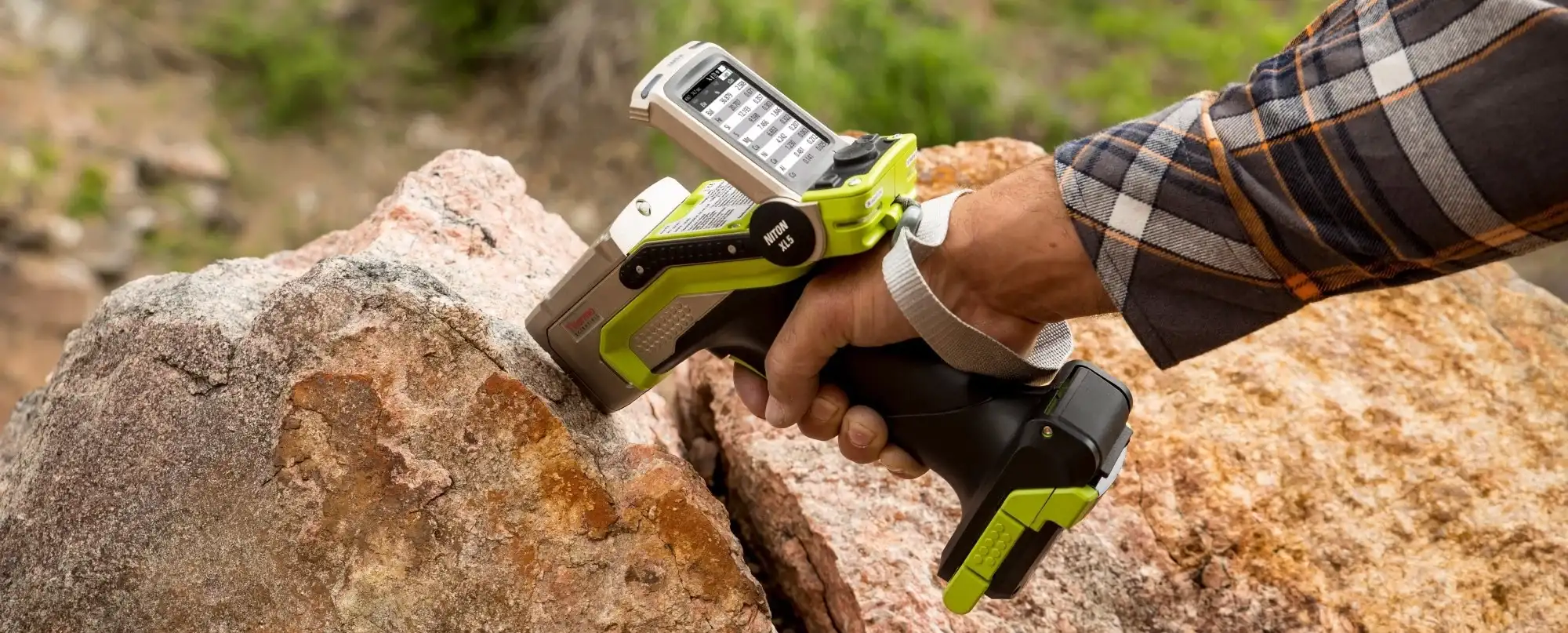
Handheld XRF Analyzers
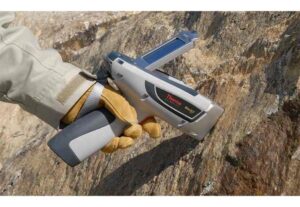
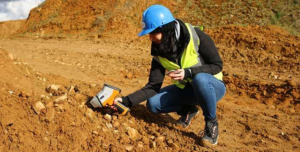
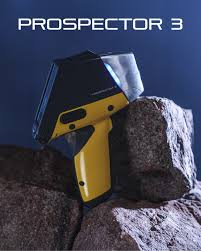
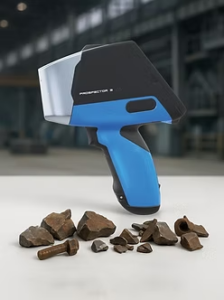
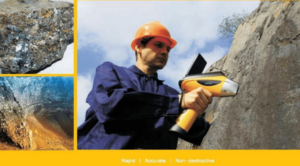
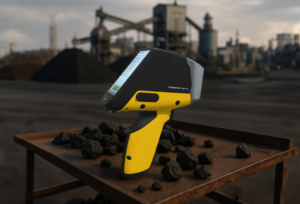
These are portable, battery-powered devices that a geologist or technician holds in one hand and presses against a sample to get a reading. They are ideal for fieldwork, exploration, and on-site testing. The benefits of handheld XRF analyzers include extreme portability, fast results, no sample preparation in most cases, and the ability to test directly in the field without sending samples anywhere.
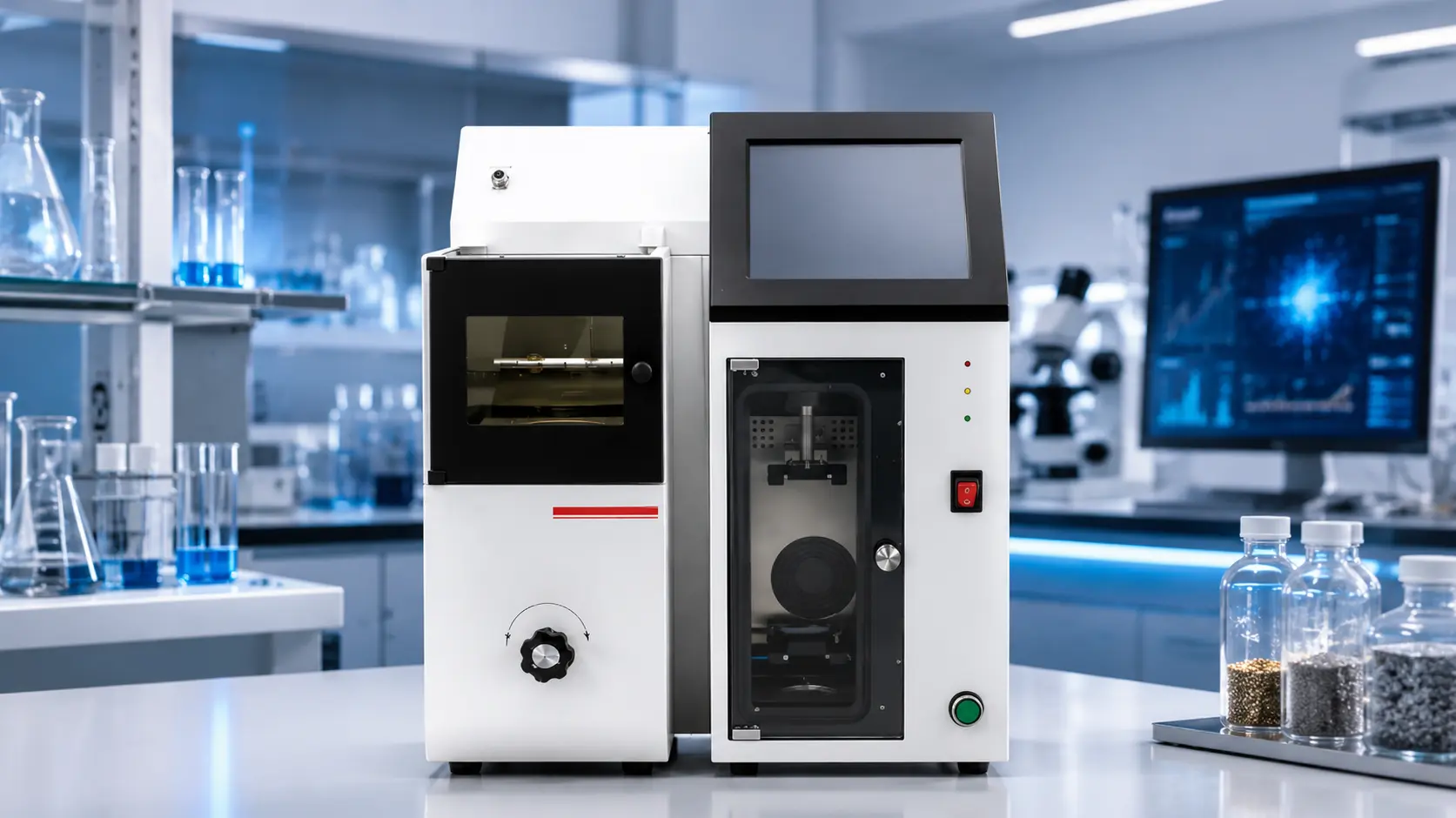
Benchtop XRF Analyzers
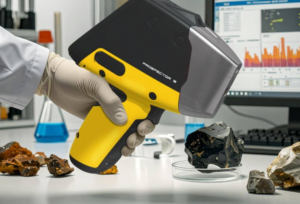
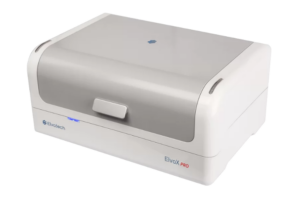
These are laboratory-grade instruments that sit on a desk or lab table. They offer higher accuracy and can handle a wider range of sample types, including liquids, powders, and pressed pellets. They are used in mine labs or quality control facilities where samples are brought in for detailed analysis.
Online or In-Line XRF Analyzers
These are permanently installed in processing plants, often on conveyor belts or in slurry pipelines, to provide continuous real-time elemental analysis of the ore stream. They are expensive but offer unmatched throughput for high-volume operations.
For most exploration and field-based mining operations, a handheld XRF is the go-to choice. For mine site labs and quality assurance, benchtop units are preferred. For continuous process control at scale, online systems make the most sense.
Factors to Consider When Choosing the Right XRF Analyzer for Mining
Knowing how to choose the right XRF analyzer for mining is about matching the device’s capabilities to your operation’s actual requirements.
1.Detection Range and Elements Required
A copper mine needs strong sensitivity for copper, molybdenum, and associated pathfinder elements. A gold exploration project may be more interested in arsenic, antimony, and bismuth as indicators. You need to make sure the analyzer you choose covers the elements relevant to your deposit type. Then, ask the supplier for the detection limits for your elements of interest, and compare them across models. Detection limits are measured in parts per million (ppm), and lower is better when you are chasing trace elements.
 2.Accuracy and Precision
Accuracy refers to how close the reading is to the true value. Precision refers to how repeatable the results are. In mining, both are important. If your XRF is giving you results that are 20% off from lab values, your ore grade decisions will be wrong. You need to look for analyzers that have been validated against certified reference materials and have published data on their accuracy for mining-relevant matrices. Some suppliers provide correlation studies comparing their XRF results to ICP or fire assay data, which is the kind of information you want before making a purchase.
3.Sample Matrix and Preparation Requirements
Some XRF analyzers struggle with heterogeneous or irregular samples like rough rocks, wet soil, or coarse drill chips. Others are specifically designed for these conditions. For field use in mining, you want a device that performs reasonably well on unprepared or minimally prepared samples. Benchtop analyzers typically require proper sample preparation, such as grinding, pressing, or fusion, while good handheld units for mining are built to handle rough conditions without extensive prep.
4.Speed of Analysis
An analyzer that takes five minutes per sample is not useful when you have 300 samples from a day’s drilling. Then, look at the measurement time required to achieve acceptable precision for your elements of interest, and think about how that fits your workflow.
5.Durability and Build Quality
Field conditions in mining are harsh. Dust, vibration, moisture, and temperature extremes are the norm. A good mining-grade XRF analyzer should meet relevant IP ratings for dust and water resistance, survive drops from working height, and function across a wide temperature range. If the device is going to spend six months in a remote mine site, it needs to be built for that.
6.Software and Data Management
Modern XRF analyzers connect to software platforms that allow you to export data, create reports, integrate with GIS systems, and manage large datasets. For mining operations with multiple teams and thousands of samples, this matters a lot. Then, ask about the data management software included and if it integrates with your existing systems.
7.Calibration and Maintenance
Calibration is an ongoing requirement for XRF instruments. Ask how the device is calibrated, how often it needs recalibration, and what that process involves. Some units are factory-calibrated and require periodic service, while others allow field calibration using reference standards. Also, find out what the maintenance schedule looks like and what ongoing support the supplier provides.
8.Cost and Total Cost of Ownership
The purchase price is just one part of the cost equation. Factor in calibration costs, replacement parts, annual service contracts, training, and consumables. Some entry-level devices have a lower upfront cost but higher ongoing expenses. A reputable XRF analyzer supplier in the UAE or elsewhere should be able to give you a clear breakdown of the total cost of ownership.
 9.Regulatory and Safety Compliance
XRF analyzers use a radioactive X-ray source. Regulations around their use vary by country and region. Make sure the device you choose complies with local regulations where it will be used and that your team has or can obtain the necessary licensing and training.
10.Supplier Support and After-Sales Service
This is often overlooked but absolutely critical. When your XRF analyzer goes down at a remote mine site, you need fast, reliable support. Then, look for XRF analyzer suppliers in the UAE or your operating region who offer local service, calibration, and training. A good supplier relationship will save you enormous amounts of time and money over the life of the instrument.
Why Mining Equipment and XRF Are Growing in the UAE
The UAE and Dubai have been positioning themselves as serious hubs for mining-related trade, especially given their proximity to active mining regions in Africa, Central Asia, and the broader Middle East. If you are sourcing mining equipment analyzers in the UAE, you are in a good position because the local market has matured significantly.
Working with a mining XRF analyzer supplier in the UAE gives regional mining companies faster access to equipment, local service teams, and support that understands the operational conditions in this part of the world. Working with a local or regionally based XRF analyzer supplier in Dubai means shorter lead times, more responsive technical support, and a supplier who understands local regulations and user requirements.
Conclusion
Choosing the right XRF analyzer for mining requires understanding your deposit type, your target elements, your field conditions, your budget, and your support needs. When all of those factors line up with the right instrument from the right supplier, the impact on your operation is tangible. Faster decisions, better ore sorting, more accurate grade control, and reduced reliance on slow and expensive off-site laboratory work. The right guidance from an experienced local supplier can save you time, money, and a lot of frustration.
FAQs
Are You Looking to Choose the Right XRF Analyzer for Your Mining Project?
Our team helps you select the right analyzer based on your elements, sample types, and site conditions. Contact us today to discuss your requirements or request a demo.
Contact:
Mobile/WhatsApp: +971526191767
Email: sales@apex-instrument.com